OPIOID ANALGESICS IN CANADA: EVERYTHING YOU NEED TO KNOW
Navigating the world of pain management can feel overwhelming. If you or a loved one has ever experienced severe short-term pain after a major surgery at a Canadian hospital, or struggled with debilitating long-term chronic conditions, you have likely encountered the term opioid analgesics.
Commonly referred to simply as opioids, these heavy-duty medications are among the most powerful tools available for severe pain relief. However, they also come with significant complexities, strict regulations, and profound health considerations. In the landscape of Canadian healthcare, managing pain safely means balancing effective clinical care with an acute awareness of public health safety.
This comprehensive guide breaks down everything you need to know about opioid analgesics—how they function, the different options available across Canada, safety guidelines, and how to navigate prescription use responsibly.
WHAT ARE OPIOID ANALGESICS?
At their core, opioid analgesics are a class of medications primarily used to treat moderate-to-severe pain that does not respond well to over-the-counter anti-inflammatories or alternative therapies. They can be derived naturally from the opium poppy plant, synthesized entirely in a laboratory, or created as a hybrid of both.
HOW OPIOIDS WORK IN THE HUMAN BODY
To understand how these medications provide relief, it helps to look at how our nervous system processes pain signals. Opioids do not actually “cure” the source of your physical injury or condition. Instead, they change how your brain perceives the distress.
When you take an opioid, the medication travels through your bloodstream and binds to specific proteins called mu-opioid receptors, which are located heavily throughout your brain, spinal cord, and gastrointestinal tract. By attaching to these receptors, opioids effectively turn down the volume on pain signals being sent from your nerves to your brain.
Alongside pain suppression, this binding process triggers a release of dopamine—the chemical associated with pleasure and reward. It is this specific neurological mechanism that provides the deep sense of comfort and relaxation, but it is also the reason these medications carry a high potential for misuse, physical dependence, and addiction.
THE SPECTRUM OF OPIOIDS AVAILABLE IN CANADA
Health Canada approves a wide range of opioid medications, tailored to different types of pain, medical histories, and delivery methods. They are generally categorized into two main groups based on their chemical potency: weak-to-moderate opioids and strong opioids.
| Generic Name | Common Canadian Brand Names | Potency Tier | Common Medical Uses |
| Codeine | Tylenol No. 3, Tylenol No. 4 | Weak / Moderate | Mild-to-moderate pain, severe cough suppression |
| Tramadol | Ultram, Zytram XL | Weak / Moderate | Moderate chronic pain, post-surgical recovery |
| Morphine | Statex, M-Eslon, MS Contin | Strong | Severe acute pain, palliative care, cancer-related pain |
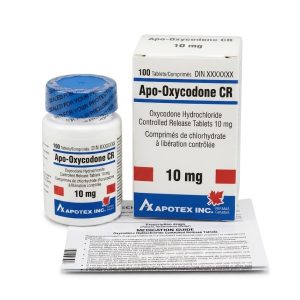
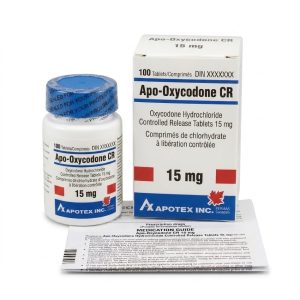
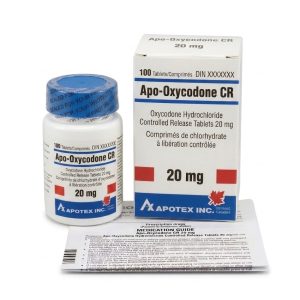
| Oxycodone | OxyNEO, Supeudol | Strong | Post-operative recovery, severe trauma pain |
| Hydromorphone | Dilaudid, Hydromorph Contin | Strong | Severe acute pain, surgical settings, advanced illness |
| Fentanyl | Duragesic (Patches) | Very Strong | Management of stable, severe chronic or cancer pain |
WEAK-TO-MODERATE OPIOIDS
Codeine: Often combined with acetaminophen and caffeine in formulations like Tylenol No. 3, codeine is a lower-potency opioid. Your liver must metabolize codeine into morphine for it to work. Because individuals metabolize drugs at vastly different speeds, codeine’s effectiveness can vary dramatically from person to person.
Tramadol: This modern opioid provides a dual action. It acts directly on the opioid receptors while simultaneously increasing serotonin and norepinephrine levels in the brain to block pain pathways. It is frequently prescribed for orthopedic issues and moderate post-surgical recovery.
STRONG OPIOIDS
Morphine: Long considered the gold standard benchmark against which all other opioids are measured, morphine is highly effective and widely used in emergency rooms and palliative care units across Canada.
Oxycodone: Frequently prescribed after major surgeries, oxycodone is a potent semi-synthetic opioid. In Canada, extended-release formulations are heavily utilized under the brand name OxyNEO, which is uniquely engineered with abuse-deterrent properties, making the tablet incredibly difficult to crush, chew, or dissolve.
Hydromorphone: Roughly five times more potent than morphine, hydromorphone is commonly relied upon for severe traumatic injuries, complex post-operative pain, and advanced oncology care.
Fentanyl: A synthetic opioid up to 100 times more potent than morphine. In a legal, prescription context, it is delivered via slow-release transdermal skin patches or controlled intravenous lines. It is reserved exclusively for opioid-tolerant individuals, such as those enduring severe cancer-related pain.
THE CANADIAN HEALTHCARE APPROACH TO PRESCRIBING
If you receive a prescription for an opioid analgesic in Canada, the experience will look noticeably different than it might have a decade ago. Canadian healthcare authorities, led by the Michael G. DeGroote National Pain Centre at McMaster University and funded by Health Canada, have carefully established strict clinical guidelines to optimize patient safety.
The 2025 Canadian Opioid Prescribing Guideline sets forth explicit, evidence-based rules for medical professionals managing chronic non-cancer pain:
The Non-Opioid Priority Baseline: Canadian physicians and nurse practitioners are strongly directed to optimize all available non-opioid medications (such as NSAIDs or nerve-pain stabilizers) and non-pharmacological interventions (like physiotherapy or cognitive behavioral therapy) prior to considering an initial trial of opioid analgesics.
If non-opioid strategies prove insufficient and an opioid trial is deemed appropriate, Canadian guidelines focus heavily on the concept of Morphine Milligram Equivalents (MME) to calculate absolute total daily dosage safety thresholds:
Dose Conservation: Clinicians are strongly advised to keep new prescriptions well below 50 MME per day, and conditionally suggest avoiding daily doses higher than 80 MME.
The Absolute Ceiling: Except in highly rare, rigorously documented clinical situations, daily doses should seldom ever exceed 150 MME, as the risk of respiratory depression and fatal overdose spikes drastically beyond this point without providing measurable improvements in pain control.
The Two-Month Assessment window: When an opioid trial is initiated for chronic pain, it is treated as a temporary assessment. If meaningful improvements in a patient’s physical function and pain reduction are not clearly achieved within 2 months, guidelines recommend a structured discontinuation of the medication.
UNDERSTANDING RISK: SIDE EFFECTS, DEPENDENCE, AND ADDICTION
Using opioid analgesics safely requires a clear, clinical understanding of how these medications affect the human biological system over time. There are important distinctions between standard side effects, physiological adaptations, and true psychological substance use disorders.
COMMON AND EXPECTED SIDE EFFECTS
Even when taken exactly as directed by a healthcare professional, opioids alter several automatic bodily functions. The most widespread side effects include:
Severe Constipation: Because opioid receptors exist throughout your gastrointestinal tract, these medications slow down the natural muscle contractions of your intestines. Unlike other side effects, your body does not develop a tolerance to this, meaning constipation will persist as long as you take the medication. Doctors frequently prescribe a bowel regimen alongside opioids.
Drowsiness and Cognitive Fog: Patients often feel heavily fatigued, dizzy, or mentally slowed when starting an opioid or increasing a dose. Operating vehicles or heavy machinery is strictly prohibited during these windows.
Nausea and Vomiting: Opioids can directly stimulate the brain’s vomiting center, particularly during the first few days of starting a new prescription.
PHYSICAL DEPENDENCE VS. CLINICAL ADDICTION
These two concepts trip up many patients, but they are entirely distinct medical phenomena.
Physical Dependence is a completely natural, predictable neurobiological adaptation to the medication. If you take an opioid every single day for several weeks, your body adjusts to its presence. If you suddenly stop taking it, you will experience physical withdrawal symptoms, which can include intense sweating, severe muscle aches, diarrhea, racing heart rate, and profound anxiety. Physical dependence does not mean you are addicted; it simply means your body requires a gradual, doctor-guided dose reduction (tapering) to safely stop the medication.
Addiction (Opioid Use Disorder) is a complex chronic brain disease. It is defined by an inability to stop using the medication despite it causing active harm to your life, health, relationships, and financial stability. It is characterized by intense psychological cravings, secretive behavior, compulsively taking the medication for emotional coping rather than physical pain relief, and obtaining the substance through non-medical avenues.
SAFE USE, SAFE STORAGE, AND SAFE DISPOSAL IN CANADA
If you are prescribed an opioid analgesic, safeguarding your household and your local Canadian community is a paramount responsibility. Medication safety requires strict adherence to proper handling protocols.
SECURE HOME STORAGE
Prescription opioids are high-value targets for theft and accidental ingestion. Leaving them in an accessible medicine cabinet or kitchen counter poses an immediate danger to children, teenagers, and visiting guests.
Store your medications in a locked lockbox or a dedicated medication safe. Keep the medication in its original pharmacy container, which displays crucial prescribing information and safety labels. Never share your prescription with anyone else—what is a therapeutic dose for you could easily prove fatal for someone else.
PROPER MEDICATION DISPOSAL
When your pain resolves, you may have leftover pills or patches. Never throw opioids in the household garbage, and do not flush them down the toilet, as this introduces toxic chemicals directly into the public water supply.
Canada has an excellent, highly accessible disposal system. You can walk into virtually any community retail pharmacy across every province and territory and hand your unused or expired opioids directly to the pharmacist. Through provincially regulated Medication Return Programs, pharmacies will safely and securely incinerate the medications at no cost to you.
THE CANADIAN CONTEXT: THE OVERDOSE CRISIS AND HARM REDUCTION
It is impossible to comprehensively discuss opioid analgesics without addressing the broader social and public health reality in Canada. For the past decade, Canada has faced a severe public health emergency regarding toxic drug poisonings and overdoses.
According to official surveillance reports from the Public Health Agency of Canada, thousands of Canadians lose their lives each year to accidental drug toxicity. However, public health monitoring shows encouraging progress:
A Stabilizing Trend: Newly published federal health data shows that nationwide opioid toxicity deaths dropped by 23% last year, bringing cautious optimism to health officials that coordinated community harm reduction policies are actively saving lives.
Crucially, federal data highlights that 82% of all fatal opioid poisonings involve non-pharmaceutical, illegal street drugs (such as illicitly manufactured fentanyl analogues or nitazenes), rather than regulated prescriptions from a pharmacy.
Even so, prescription opioids still demand immense caution, particularly when mixed with other substances. The vast majority of accidental prescription overdoses occur due to polysubstance use—specifically mixing an opioid analgesic with alcohol, sleep medications, or anti-anxiety medications like benzodiazepines (e.g., Xanax or Ativan). This combination can catastrophically slow down your central nervous system, stopping your breathing entirely.
THE POWER OF NALOXONE
Because of these systemic risks, harm reduction is a cornerstone of Canadian healthcare. Naloxone is a fast-acting life-saving medication designed to temporarily reverse the effects of an opioid overdose. It works by aggressively bumping the opioid molecules off the brain’s receptors, restoring normal breathing within 2 to 5 minutes.
In Canada, naloxone kits (both nasal sprays and injectable formats) are highly accessible. Through provincial health programs, anyone in Canada can walk into a pharmacy and request a free take-home Naloxone kit without a prescription or medical order. If you or a family member is taking a high-dose prescription opioid, keeping a naloxone kit visible and accessible in your household is an incredibly smart, proactive safety measure.
NAVIGATING CONVERSATIONS WITH YOUR HEALTHCARE PROVIDER
If you are facing an upcoming major medical event or are managing an agonizing chronic injury, you must be empowered to advocate for your health. Open, transparent, and collaborative communication with your Canadian physician or nurse practitioner is the best tool for safe care.
When discussing pain management options, consider using this structured checklist of questions to build a balanced, realistic treatment blueprint:
“Are there non-opioid medications or therapeutic alternatives, like specialized physical therapy, that we can fully maximize before trying an opioid?”
“If we must utilize an opioid analgesic, what is the lowest possible dose and shortest duration needed to get me through this acute phase?”
“What is our explicit, structured plan to gradually taper off and stop this medication when my pain begins to stabilize?”
“How should I manage expected long-term side effects, such as opioid-induced constipation, right from day one?”
“Given my unique health history, are there any specific medications, supplements, or lifestyle habits I must strictly avoid while taking this prescription?”
FINAL THOUGHTS: EMPOWERMENT THROUGH KNOWLEDGE
Opioid analgesics remain a vital component of modern medicine, capable of providing mercy in the face of excruciating trauma, surgery, and end-of-life care. However, they are tools that demand profound respect. In the Canadian context, the shift away from long-term opioid reliance toward multimodal, patient-centered pain management is a positive evolution in our healthcare system.
True safety does not come from fear, but from education and active participation in your own care. By understanding how these medications interact with your body, adhering strictly to storage and disposal guidelines, and maintaining an open dialogue with your healthcare team, you can navigate pain management with confidence. Remember that your pharmacist is an invaluable, accessible resource in this journey—when in doubt about a dose, an interaction, or a side effect, reach out to them. By treating these medications with the caution they warrant, you prioritize not just your immediate comfort, but your long-term health and the safety of your community.